CACI Analyst, May 13, 2015
Contents
Analytical Articles
PAKISTAN AND AFGHANISTAN-INDIA COOPERATION, by Sudha Ramachandran
TURKEY, ARMENIA, AND THE POLITICS OF GENOCIDE RECOGNITION, by Emil Souleimanov
KAZAKHSTAN TO REFORM ITS CULTURAL SECTOR, by Rafis Abazov and Andrey Khazbulatov
WILL TURKISH STREAM COMPETE WITH THE SOUTHERN GAS CORRIDOR?, by Natalia Konarzewska
Field Reports
REPUBLICANS STRENGTHEN POSITION IN RESHUFFLED GEORGIAN GOVERNMENT, by Eka Janashia
KYRGYZSTAN TO HOLD ANOTHER CONSTITUTIONAL REFERENDUM, by Arslan Sabyrbekov
PRESIDENT SARGSYAN AND COUNTERPARTS COMMEMORATE ARMENIAN GENOCIDE, by Erik Davtyan
AZERBAIJAN CRACKS DOWN ON ACTIVISTS AHEAD OF EUROPEAN GAMES, by Mina Muradova
The Southern Energy Corridor: A Strategic Priority for the U.S.?

By Mamuka Tsereteli (05/27/2015 issue of the CACI Analyst)
The South Caucasus enjoyed significant political support from U.S. policy makers since the mid-1990s, when the region was seen as an integral part of the proactive U.S. security and energy policy towards Europe. Those policies were successful, resulting in several pipeline projects connecting Caspian resources to European and world markets. But a direct natural gas connection between Caspian fields and Europe remains to be developed. It is in the common interest of the U.S., EU, producer and transit countries to overcome multiple challenges and make this connection work. While the debate currently includes efforts to build a false connection between Caspian producers and exemptions from the Iran sanctions, Washington needs a serious and strategic discussion on America’s role in Caspian energy.
The Challenges to Georgia's Energy Sector

By Ariela Shapiro (05/27/2015 issue of the CACI Analyst)
In April 2015, Georgia’s Ministry of Energy (MoE) officially presented for review the International Energy Agency’s (IEA) Energy Policy Review of Countries in Eastern Europe, Caucasus and Central Asia, which details Georgia’s energy strategy, achievements and recommendations for future policy recommendations. This policy document aligns with the Georgian Government’s updated energy strategy and recommends Georgia to increase its energy security through utilizing its renewable energy potential, upgrading its energy infrastructure and diversifying supply via interconnections with neighboring countries. The document inadvertently highlights existing security gaps in Georgia’s energy sector. Given Georgia’s geopolitical realities and critical reliance on neighboring countries for energy, the current administration faces multiple challenges to building a self-sustaining and secure energy sector capable of meeting both local consumer needs and projected export obligations.
Will Turkish Stream Compete With the Southern Gas Corridor?

By Natalia Konarzewska (05/13/2015 issue of the CACI Analyst)
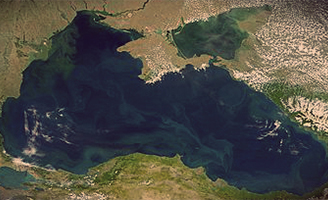
The Turkish Stream pipeline, envisaged to transport Russian natural gas via the Black Sea to the Turkish-Greek border, is again gaining political momentum and raises interest in the region. On April 7, during a meeting in Budapest, the Foreign Ministers of Hungary, Serbia, Macedonia and Turkey expressed their countries’ interest in participating in the project and discussed possibilities of building European infrastructure for Turkish Stream. As this Russian-backed project targets the same region and is intended to supply roughly the same markets as the Southern Gas Corridor, the question arises whether Turkish Stream will eventually compete with TANAP and TAP in natural gas deliveries to Turkey and Southeast Europe.
CACI Analyst, March 3, 2015
CACI Analyst, March 4, 2015 (.pdf)
Contents
Analytical Articles
KAZAKHSTAN AND THE EEU, by Dmitry Shlapentokh
U.S. NEW SILK ROAD INITIATIVE NEEDS URGENT RENEWAL, by Richard Weitz
IS “TURKISH STREAM” A SERIOUS THREAT TO THE TRANS-CASPIAN PIPELINE?, by Juraj Beskid, Tomáš Baranec
CASA-1,000 – HIGH VOLTAGE IN CENTRAL ASIA, by Franz J. Marty
Field Reports
KYRGYZSTAN’S RESIGNED PROSECUTOR-GENERAL GIVES WORRYING PRESS CONFERENCE, by Arslan Sabyrbekov
MOSCOW PLEDGES TO COUNTERACT GEORGIA’S INTEGRATION WITH NATO, by Eka Janashia
ARMENIA TOUGHENS ITS STANCE AGAINST TURKEY, by Erik Davtyan
FOREIGN MINISTERS OF TURKEY, AZERBAIJAN AND TURKMENISTAN DISCUSS ENERGY AND TRANSPORTATION IN ASHGABAT, by Tavus Rejepova
Visit also