How Pakistan Is Reshaping Eurasian Trade Corridors
By Umair Jamal
Pakistan has approved and operationalized new land routes to connect Central Asian markets to Pakistani ports and beyond, utilizing strategic corridors through Iran and China to bypass Afghanistan entirely. This shift was solidified in April 2026 when Pakistan Customs launched the first export consignment from the Karachi Export Processing Zone to Kyrgyzstan via the Sost Dry Port in China under the TIR (Transports Internationaux Routiers) regime. Pakistan’s decision to diversify transit away from Afghanistan follows the indefinite closure of the Torkham and Chaman border crossings in October 2025 due to unmanageable security risks and cross-border militancy. By activating the Pakistan-Iran Transit Corridor and the Sost-Kyrgyzstan-China Corridor, Islamabad is dismantling Afghanistan’s traditional transit monopoly. Amidst the ongoing Strait of Hormuz crisis, these land routes, coupled with the rising prominence of Gwadar Port, position Pakistan as a critical, multi-modal bridge between the landlocked Eurasian heartland and global warm-water ports. These new land routes circumvent both maritime chokepoints and regional instability and provide Central Asian nations with secure and diversified avenues for trade and logistics.
BACKGROUND:
For decades, Pakistan’s overland access to the Central Asian countries was almost exclusively dependent on the Chaman and Torkham gateways through Afghanistan. From Pakistan’s perspective, this geographical bottleneck granted Kabul significant leverage, which was frequently used as a political tool during bilateral friction. However, since the Taliban’s return to power in 2021, this lifeline for both Central Asian states and Pakistan has transformed into a strategic liability.
Central Asian leadership has grown increasingly frustrated with the instability of the Afghan route. For instance, recurrent border closures, unpredictable transit fees, and the persistent threat posed by militant groups have undermined the region’s trade ambitions. This collective annoyance reached a decisive moment in October 2025, when in response to persistent cross-border militant attacks from Afghanistan, Pakistan decided to completely shut down the Afghan-Pakistani trade routes connecting Central Asia.
Seeking to bypass traditional transit hurdles, Pakistan recently proposed new trade corridors for Central Asian countries. In April 2026, senior representatives from Uzbekistan, Kyrgyzstan, and Tajikistan gathered in Karachi for a coordination ceremony, where Pakistan offered a permanent alternative to the Afghan route for global connectivity.
The ceremony marked the official activation of the Iran-based land route, with the first convoy of refrigerated trucks carrying frozen meat and assorted exports destined for Tashkent and Bishkek. The development signaled a regional consensus whereby Central Asia is no longer willing to wait for Afghan stability and seem poised to work with Pakistan to operate these new routes. Early data reflects this momentum, with over 14,000 metric tons of cargo successfully processed across both corridors.
Simultaneously, Pakistan’s private sector has already demonstrated that it can work via the northern bypass that sits on China’s Sost border, with the Hemani Group successfully delivering a 23.9-tonne consignment to Kyrgyzstan, cleared electronically via the Pakistan Single Window (PSW) system. This 3,300-kilometer Bishkek-Karachi route under the Quadrilateral Traffic in Transit Agreement (QTTA) has now seen its first reciprocal commercial runs, with Kyrgyz transport fleets bringing minerals and textiles south. Crucially, the cargo proved the viability of two-way transit over high-altitude passes, shifting the framework from a unilateral export pipeline into a functional bilateral trade loop.
These strategic developments are taking place at a crucial time in the region’s geopolitics and are set to have far reaching implications.
IMPLICATIONS:
These new corridors have immense strategic significance for Central Asia, as they offer a permanent exit from the long-standing Afghan dilemma. For instance, by utilizing the Gabd-Rimdan from Iran and Sost that relies on China, landlocked nations such as Uzbekistan and Kyrgyzstan have secured a reliable Southern route to the Arabian Sea. Uzbekistan has been particularly active along the western axis, using the Gabd-Rimdan border terminal, which was recently upgraded by the National Logistics Corporation (NLC) with modern scanning facilities, to consistently move agricultural equipment and industrial raw materials.
The diversification provides these countries with a professionalized trade environment characterized by reduced transit costs, effectively bypassing the unpredictable informal taxes and security delays inherent in the Afghan route.
Furthermore, the distance from the Iranian border to Gwadar port offers a significantly shorter alternative to the traditional northern routes through Russia or the volatile western corridors, while maintaining stability through direct institutional oversight via the TIR regime and electronic tracking under the Pakistan Single Window (PSW) system. This structural predictability has provided Central Asian exporters with a reliable maritime gateway that avoids the costly and multi-border transit loops through eastern Europe.
In the wake of these developments, Pakistan’s Gwadar Port is set to transition from a conceptual hub into the functional heart of Central Asian trade. Within the framework of the China Pakistan Economic Corridor’s Phase 2, the integration of trade from Central Asian countries via Iran and China validates the massive infrastructure investments previously made in Baluchistan.
This development is particularly critical given the ongoing Strait of Hormuz crisis. Gwadar is situated 400 km east of the strait and serves as a virtual bypass of the conflict zone, allowing Central Asian exports to reach international waters without entering the high-risk zones of the Persian Gulf.
For Pakistan, this creates a substantial economic windfall as well. By positioning itself as the primary transit state for a massive market, the country is positioning itself to secure consistent revenue through port handling, logistics, and transit fees. In the wake of the Strait of Hormuz crisis, tariff at the Gwadar port has multiplied.
Ultimately, these shifts represent a permanent structural setback and the long-term erosion of Afghan leverage. For decades, Kabul relied on its geographic status as a bridge between South and Central Asia to extract economic concessions and maintain political relevance. However, by demonstrating that trade can flow efficiently through Iran and China, Pakistan and the Central Asian countries have rendered the Afghan routes entirely optional.
If the Taliban regime remains unable or unwilling to secure its borders and dismantle militant sanctuaries, it faces the grim prospect of total economic isolation as regional trade patterns permanently realign around a more stable and predictable maritime-linked architecture.
Moreover, the strategic expansion of these corridors comes at a pivotal moment in the shifting Eurasian geopolitical landscape.
As the Iran-U.S. war reshapes regional alignments and trade security, these new routes grant Pakistan and Central Asia much-needed strategic maneuverability. They serve as a vital hedge, insulating regional economies from the instability of maritime corridors and the growing risk of chokepoint weaponization.
Furthermore, this realignment signals the emergence of a Middle-Power bloc where regional players like Pakistan, Iran, and the Central Asian Republics are prioritizing economic connectivity over historical ideological or security frictions.
For Pakistan, this transition from a security state to a geo-economic hub is not just about transit fees; it also constitutes an attempt to embed its stability with the economic wellbeing of its neighbors.
By providing a new route for Eurasian goods, Pakistan is trying to ensure that regional powers now have a vested interest in the security of Pakistan and the success of Gwadar port where Central Asian states will now have significant stakes.
CONCLUSIONS:
The approval of these alternative corridors demonstrates an important elevation of Islamabad’s regional standing. By linking Gwadar to Iranian and Chinese land routes to better serve Central Asia, Pakistan is effectively seeking to decouple its economic future from the instability of traditional Afghan transit. This development offers a stable gateway for regional states and signals a shift away from reliance on uncooperative neighbors. As the idea of Eurasian trade flowing through this multi-dimensional network gains relevance, Pakistan is going to position its southern coast as the indispensable hub of a new and more resilient economic order.
AUTHOR’S BIO:
Umair Jamal is a Ph.D. candidate at the University of Otago, New Zealand, and an analyst at Diplomat Risk Intelligence (DRI). His research focuses on counterterrorism and security issues in Pakistan, Afghanistan, and the broader Asia region. He offers analytical consulting to various think tanks and institutional clients in Pakistan and around the world. He has published for several media outlets, including Al-Jazeera, Foreign Policy, SCMP, The Diplomat, and the Huffington Post.
New Pakistan-Iran Road Routes and Central Asian Trade
By Sudha Ramachandran
Since the U.S. and Israel launched their war on Iran on February 28 and especially after the U.S. blockade of the Strait of Hormuz, the Central Asian Republics’ (CARs) trade via Iranian ports has been thrown into jeopardy. However, Pakistan and Iran have operationalized six roads linking the three major Pakistani ports of Gwadar, Karachi and Port Qasim with two Iranian border crossings at Gabd and Taftan. Will the new roads provide the CARs’ trade via the southern route with a lifeline?
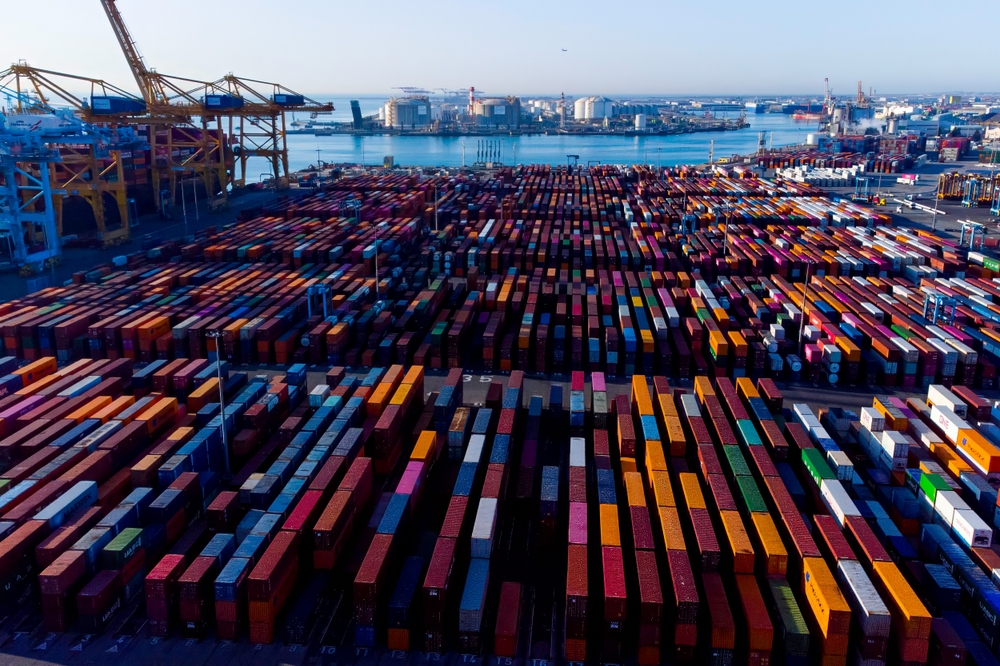
Photo by Davide Bonaldo, 2025
BACKGROUND:
On April 25, Pakistan’s Ministry of Commerce issued the “Transit of Goods through Territory of Pakistan Order 2026.” The order, which allows goods from third countries to pass through Pakistan before entering Iran, provides new routes connecting the three major Pakistani ports at Gwadar, Karachi and Port Qasim with two Iranian border crossings at Gabd and Taftan. The order took immediate effect and trucks have begun carrying cargo from the Pakistani ports, passing through the towns of Turbat, Panjgur, Khuzdar, Quetta and Dalbandin in Balochistan province, before entering Iran. Iran and Pakistan had, in 2008, agreed on this road transport connectivity framework. However, it was not until Iranian Foreign Minister Abbas Araghchi’s visit to Islamabad on April 24-26, when he met with Pakistan Prime Minister Shehbaz Sharif and Pakistan Army chief General Asim Munir, that the decision to implement the order with immediate effect was taken.
Recent developments in the region prompted Pakistan and Iran to operationalize the agreement. On February 28, the U.S. and Israel launched air and missile strikes on Iran, which in turn led to the Strait of Hormuz crisis. The U.S. blockade of the Strait of Hormuz has dealt a severe blow to trade via this vital waterway, prompting the Iran-Pakistan decision on the six land corridors. Ships laden with cargo and headed for Iran and beyond, which would have otherwise docked at the Iranian ports of Chabahar and Bandar Abbas, are now marking time at Pakistan’s ports, which lie outside the Strait of Hormuz. Over 3,000 containers headed for Iran had reportedly piled up at Karachi port in April, adding to the problems of this already congested port. Meanwhile, Gwadar saw an unprecedented surge in activity in recent months. Throughout 2025, Gwadar port processed just around 8,300 standard shipping containers. Over just a few weeks in April this year, the port handled 11,000 containers. With the operationalization of the April 25 order, cargo headed for Iran’s Chabahar and Bandar Abbas ports, which have been lying at Pakistani ports because of the Hormuz blockade, is now being offloaded and packed into trucks heading to the Iranian border crossings at Gabd and Taftan. The fast-moving developments in the region have implications not just for the Iran-Pakistan relationship but, importantly, for how the CARs will access the sea.
IMPLICATIONS:
The six road routes linking Pakistani ports with the Iranian border will provide a shot in the arm to business at these ports, especially at Gwadar, which has been functioning below par. It will also unclog the already congested Karachi port. Importantly, it will boost Iran-Pakistan cooperation. The two neighbors share a volatile border of 909 kilometers, and have on occasion engaged in military hostilities, as in January 2024. However, economic cooperation, especially border trade, is vital not only for border communities and livelihoods but for their larger economies as well. Bilateral economic cooperation can now be expected to deepen and expand via the six new road routes. Iranian trade, which has taken a severe beating since the U.S.-Israel war and the U.S. blockade of Hormuz, will now receive a fresh lease of life. It will increase Iranian dependence on Pakistan, making the latter the dominant partner in the bilateral relationship.
As for Central Asia, the Iran war and consequent developments, while concerning, have opened new trade opportunities. Although the CARs are not dependent on West Asian oil and gas, as they are producers themselves, their trade routes to seaports have been hit hard.
Being landlocked, the CARs have for decades focused their foreign policy on finding and developing routes to access seaports. They have developed several options, including the eastern route through China, the western route through Russia, the route to the Caspian Sea, and the southern route to Iranian and Pakistani ports. Given their wariness of dependence on both China and Russia, the CARs have generally preferred the southern route. Between Pakistani and Iranian ports, they have usually favored the latter as the Iranian ports provide Central Asian cargo with relatively predictable transit regimes, better rail and road connectivity, and clear commercial terms for exporters. In contrast, the CARs’ trade via Pakistani ports had to pass not only through unstable Afghanistan and militancy-vulnerable stretches in Pakistan, but also face poor connectivity infrastructure, unstable trade regimes and poorly managed ports in Pakistan. Pakistan’s deteriorating relations with Taliban-ruled Afghanistan over the past two years and especially since February 2026, when Pakistan launched military strikes on the country, dealt a further blow to the utility of trade routes through Afghanistan and Pakistan. Realizing these challenges, the rest of Central Asia has been looking to bypass Afghanistan. Kyrgyzstan, for example, is exploring the Karakoram route via China to avoid Afghanistan and reach Pakistani ports. Other Central Asian states are said to be keen to use this route as well.
The opening of six trade routes between Pakistani ports and the Iran border crossings has thrown new factors into the CARs’ calculations on sea trade, opening new options and lifelines. Instead of traversing the insecure and uncertain terrain of Pakistan and Afghanistan, their cargo, offloaded in Pakistani ports, can head to the Iranian border crossings, where they can then use the better road and rail connectivity in Iran to enter Central Asia.
Of course, the opportunity that the new road routes have opened up for the CARs depends on whether Pakistan can quickly improve operations at its three major ports and ensure security along the roads for trucks carrying cargo to the Iranian border. The success of the six new road routes in drawing CARs trade and cargo will also depend on the condition of Iran’s roads and rail network. How badly damaged the Iranian overland infrastructure is by U.S. and Israeli strikes, and whether the CARs will be convinced of the security of the Iran route in the coming months will determine the success of the new connectivity option.
CONCLUSIONS:
The opening of six new road routes linking Pakistani ports of Gwadar, Karachi and Port Qasim with two Iranian border crossings is indeed a good plan. It could be a game changer not only for Gwadar port, which has been languishing for long without business, but also provide a lifeline to the damaged Iranian economy and Pakistan-Iran cooperation. Importantly, it will enable truckers from the rest of Central Asia to avoid Afghanistan while reaching Pakistani ports. However, the new route will attract Central Asian cargo only if Pakistan improves port management and security for trucks ferrying cargo along the new road routes.
AUTHOR’S BIO:
Dr Sudha Ramachandran is an independent South Asian political and security analyst. She is also South Asia editor at The Diplomat. Her articles have appeared in publications like The Diplomat, Asia Times, China Brief and Terrorism Monitor.
Middle East War Shakes Central Asia's Trade Ambitions
By Saima Afzal
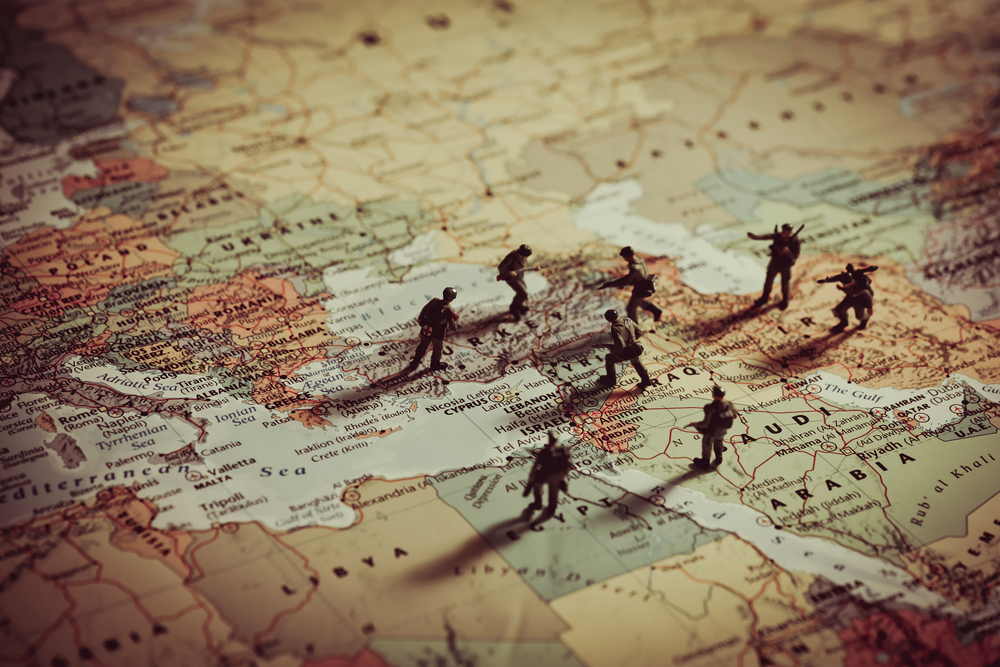
The escalation of conflict in the Middle East following U.S. and Israeli strikes on Iran is exposing the geopolitical vulnerability of Central Asia’s trade diversification strategy. Over the past decade, Kazakhstan and Uzbekistan have invested significant political and financial capital in developing alternative transit corridors including southbound routes through Iran, Afghanistan, and Pakistan to reduce reliance on northern pathways historically oriented toward Russia and to secure access to global maritime markets.
The current crisis is rapidly testing their underlying assumptions. Instability across key transit regions now threatens emerging logistics networks, raising concerns about the reliability of corridors that were intended to enhance economic resilience.
BACKGROUND:
The latest escalation in the Middle East is reverberating well beyond the immediate theatre of conflict, disrupting energy markets, trade routes, and regional economic planning. Oil prices rose sharply following strikes on Iran and subsequent retaliation, reviving concerns about disruption in the Strait of Hormuz, a critical artery through which a significant share of global oil supplies transits daily. For energy-importing economies across Asia, the shock echoes earlier inflationary pressures experienced during previous geopolitical crises.
For Central Asia, the effects are both systemic and immediate. As landlocked economies, states such as Kazakhstan and Uzbekistan have long prioritized the diversification of trade routes as a strategic objective. This has involved developing southbound connectivity through Iran, Afghanistan, and Pakistan, alongside east–west alternatives linking the region to China and Europe.
Iran has played a central role in these plans, offering access to maritime trade via ports such as Chabahar within the framework of the International North-South Transport Corridor (INSTC). Regional initiatives such as the proposed Uzbekistan-Afghanistan-Pakistan railway have likewise aimed to provide direct access to Pakistani ports and shorten transit times to global markets.
These initiatives were conceived well before the current crisis. What the escalation has done is bring into sharper focus the extent to which their viability depends on political stability across multiple transit regions.
At the same time, the conflict is already producing tangible disruptions. Airspace closures and security risks have forced flight cancellations and rerouting, reduced cargo capacity and raising transport costs. Border crossings that serve as key trade arteries are also under pressure, with increased congestion and tighter controls affecting both freight and passenger movement.
In several cases, these disruptions intersect directly with everyday economic activity. Iran’s temporary suspension of selected exports and interruptions in cross-border trade have affected the flow of food and consumer goods into neighbouring Central Asian markets, particularly in countries with strong import dependence. Localized shortages and price increases have already been reported in border regions reliant on Iranian supplies.
IMPLICATIONS:
The unfolding conflicts across Iran and the Afghanistan-Pakistan corridor highlight a structural feature of Central Asia’s connectivity strategy: diversification reduces dependence on any single route, but it also distributes exposure across multiple geopolitical environments.
Southern corridors illustrate this dynamic most clearly under current conditions. Routes passing through Iran now face heightened uncertainty linked to maritime disruption, rising insurance costs, and sanctions-related risks. Even without a formal closure of the Strait of Hormuz, security concerns have slowed tanker traffic and increased freight premiums, costs that are disproportionately borne by landlocked economies.
Overland connectivity through Afghanistan and Pakistan remains constrained by persistent insecurity and fragile political relations. Escalating tensions between Kabul and Islamabad further complicate both the implementation and long-term reliability of projects such as the Uzbekistan-Afghanistan-Pakistan railway. Existing road and rail links are vulnerable to disruption, while transit agreements risk suspension under political pressure, creating uncertainty for trade flows.
Energy and infrastructure initiatives are similarly affected. Projects such as the Turkmenistan-Afghanistan-Pakistan-India (TAPI) natural gas pipeline and the CASA-1000 electricity transmission line depend on stable transit conditions across regions that continue to experience volatility. These risks are not new, but they are in the current environment becoming more acute and more difficult for investors and policymakers to discount.
Beyond infrastructure, the economic transmission mechanisms are already visible. Rising fuel prices are feeding into inflation across import-dependent economies such as Kyrgyzstan and Tajikistan, increasing the cost of food, transport, and basic goods. Disruptions to supply chains-particularly for agricultural products and consumer goods imported via Iran are compounding these pressures. At the same time, any slowdown in major partner economies such as Russia or China would have secondary effects through trade, investment flows, and remittances.
Rather than triggering a shift in strategy, the crisis is reinforcing an existing trend toward hedging. Central Asian states are likely to deepen engagement with alternative corridors perceived as comparatively stable. The Trans-Caspian International Transport Route, linking the region to Europe via the South Caucasus, has gained prominence as an east-west option that avoids both Russian territory and southern conflict zones. Similarly, established rail connections to China provide access to global supply chains through more predictable logistical networks.
This does not signal a retreat from southern connectivity. Instead, it reflects a growing emphasis on redundancy-maintaining multiple routes to manage disruption rather than relying on any single corridor to deliver uninterrupted access.
CONCLUSIONS:
At the core of this challenge is a structural dilemma: while diversification reduces dependence on any single route, it also distributes exposure across multiple geopolitical environments. As a result, Central Asia’s broader transport strategy is increasingly shaped not only by infrastructure development, but by the political and security dynamics of regions far beyond its borders. The current Middle East conflict underscores the extent to which this impacts Central Asia’s economic integration. Connectivity initiatives designed to expand access to global markets are now being evaluated through the lens of geopolitical risk and operational resilience.
The immediate impact is not the abandonment of diversification strategies, but their recalibration. Policymakers are increasingly approaching connectivity not only as an economic objective, but also as a risk management tool, placing greater emphasis on flexibility, redundancy, and continuous reassessment of external exposure.
At the same time, the crisis highlights how quickly geopolitical shocks translate into everyday economic pressures-from rising food and fuel prices to disrupted transport links and constrained trade flows. Even without direct involvement in the conflict, Central Asian states are already absorbing its effects.
Ultimately, the resilience of Central Asia’s trade ambitions will depend not only on infrastructure investment, but on the capacity to navigate an increasingly complex and unpredictable geopolitical environment.
AUTHOR’S BIO:
Saima Afzal is an independent and freelance researcher specializing in South Asian security, counter-terrorism, the Middle East, Afghanistan, and the Indo-Pacific region. Her work focuses on geopolitical developments, strategic affairs, and regional conflict dynamics. She holds an M. Phil in Peace and Conflict Studies from the National Defence University, Islamabad, Pakistan.
Pakistan and the Abraham Accords: Implications for Central Asia
By Umair Jamal
Pakistan has upheld a policy of non-recognition of Israel since 1948, maintaining that diplomatic relations are contingent upon the establishment of a viable and independent Palestinian state with Al-Quds Al-Sharif as its capital. However, in late 2025, Islamabad’s mediation in the Gaza ceasefire and its conditional readiness to contribute forces to a UN-mandated International Stabilization Force have elevated its diplomatic profile with the U.S. and Gulf partners. Washington, alongside Saudi and Emirati counterparts, appears intent on expanding the Abraham Accords following credible progress toward a two-state solution. Pakistani participation would constitute a historic shift and unlock new economic corridors extending into Central Asia, enhancing regional connectivity to global markets.
Credit: Wikimedia Commons
BACKGROUND: Pakistan’s official position on Israel remains firmly grounded in support for Palestinian self-determination, a stance that resonates strongly with domestic public opinion and has guided foreign policy since the country’s founding in 1947. Pakistani diplomatic passports explicitly prohibit travel to Israel, and public discourse frequently interprets the Israeli–Palestinian conflict through the lens of historical injustice, particularly the mass displacement of Palestinians in 1948.
Anti-Israel sentiment intensified across the Muslim world, including in Pakistan, following Israel’s large-scale military offensive in Gaza, which began in October 2023 in response to the Hamas attacks. The operation has thus far resulted in tens of thousands of Palestinian casualties and extensive physical destruction across the territory.
A majority of Pakistanis regard recognition of Israel as untenable in the absence of a sovereign Palestinian state. At the governmental level, however, pragmatic considerations have increasingly shaped Islamabad’s approach amid intensifying economic pressures, including a foreign debt burden exceeding US$ 130 billion and continued dependence on international financial institutions.
In September 2025, Prime Minister Shehbaz Sharif took part in a multilateral summit convened by U.S. President Donald Trump, alongside leaders from Saudi Arabia, Egypt, and Qatar, to endorse a 20-point framework for a Gaza ceasefire. The initiative, which enabled hostage releases and expanded humanitarian access, marked a significant instance of Pakistan’s active mediation, coordinated through Doha and other Middle Eastern diplomatic channels.
Subsequently, in November 2025, Foreign Minister Ishaq Dar confirmed Pakistan’s willingness to contribute troops to the International Stabilization Force (ISF) established under UN Security Council Resolution 2803. He stressed, however, that the mission’s primary focus would be civilian protection and post-conflict reconstruction in Gaza rather than the disarmament of Palestinian groups. “Our job is peacekeeping, not peace enforcement,” Dar stated when questioned about the prospective deployment of Pakistani forces. This position aligns Pakistan with a coalition of eight Muslim-majority states cooperating with the U.S. to support efforts toward stabilizing Gaza.
These developments coincide with the strengthening of Pakistan’s bilateral relationship with Saudi Arabia, formalized through a mutual defense pact signed in Riyadh on 17 September. The agreement commits both states to regard an attack on one as an attack on the other and encompasses broad provisions for military cooperation and joint deterrence. It underscores the two countries’ shared strategic interests amid heightened regional instability.
Saudi Arabia has signaled its openness to joining the Abraham Accords—a framework for the normalization of relations with Israel—conditional on credible progress toward a two-state solution. In recent remarks to President Trump, Crown Prince Mohammed bin Salman stated that Riyadh is prepared to participate in the Accords but seeks to secure “a clear path toward a two-state solution.”
Similarly, U.S. officials, including envoys from the Trump administration, appear to have encouraged Pakistan’s inclusion in this framework as a way to extend normalization efforts beyond the Gulf region. Although Islamabad continues to emphasize that any movement in this direction would depend on firm guarantees of Palestinian statehood, reports of backchannel exchanges suggest that discussions on the issue are evolving.
These shifts carry significant implications for Central Asia. States such as Kazakhstan and Uzbekistan are actively pursuing diversified connectivity options to reduce overreliance on Russian and Chinese infrastructure. Kazakhstan’s formal accession to the Abraham Accords in November 2025 illustrates this strategy, with the potential to strengthen its economic linkages with Israel and Western partners, particularly the U.S.
The prospective inclusion of Pakistan in the Accords could function as a pivotal connective link, but sustaining momentum would require careful management of domestic public opinion and sensitive regional dynamics.
IMPLICATIONS: If U.S. officials were to achieve their apparent objective of incorporating Pakistan into an expanded Abraham Accords framework, an outcome likely dependent on Saudi Arabia’s formal participation following progress toward a two-state solution, it would have significant ramifications for Central Asia’s economic landscape. The region’s republics, rich in hydrocarbons, uranium, and rare earth minerals yet constrained by geographic isolation, would benefit significantly from deeper integration into multimodal trade networks.
Foremost among these initiatives is the U.S.-backed India–Middle East–Europe Economic Corridor (IMEC), which incorporates Israeli routes and seeks to streamline freight transport from South Asia through Gulf ports to Europe. Designed to circumvent traditional chokepoints such as the Suez Canal, the corridor could reduce transit times by up to 40 percent. Pakistan’s participation could extend IMEC’s eastern flank through its ports at Gwadar and Karachi, interfacing with the China–Pakistan Economic Corridor (CPEC) to provide Central Asian exporters, particularly those in Kazakhstan and Turkmenistan. with viable southern outlets.
Such diversification would mitigate the vulnerabilities inherent in the Trans-Caspian International Transport Route (TITR), which, although operational, continues to face bottlenecks in Caspian Sea transit and persistent geopolitical frictions. In this context, enhanced Israeli technological inputs, such as advanced logistics software and desalination expertise, could improve the efficiency of these corridors, potentially generating annual trade gains amounting to billions of dollars for Central Asia by facilitating access to Mediterranean markets.
From a security standpoint, Pakistan’s prospective deployment of Islamic Security Forces (ISF) in Gaza, framed as a humanitarian stabilization mission, could serve as a model for multilateral engagement and potentially inspire analogous C5+1–style frameworks for managing Afghanistan’s borders. The Saudi–Pakistani defense pact concluded in September 2025 already signals deeper intelligence-sharing cooperation, which could extend northward to counter ISIS-K incursions threatening the frontiers of Tajikistan and Kyrgyzstan. Kazakhstan’s recent entry into the Abraham Accords, announced on 6 November during President Tokayev’s visit to the White House, further underscores this momentum.
Clear obstacles exist to the realization of this trajectory. Public opinion in Pakistan remains strongly opposed to normalization in the absence of Palestinian sovereignty, as demonstrated by sustained public protests and formal parliamentary resolutions. Consequently, any perceived capitulation to U.S. pressure could trigger political instability. Iranian concerns that IMEC represents an encirclement strategy, combined with its rivalry with Israel, could provoke proxy disruptions extending beyond Afghanistan into Central Asia. Moreover, China and Russia are likely to pursue countermeasures through their entrenched Belt and Road Initiative commitments, which already exceed US$ 25 billion in loans to Central Asian states. This could undermine regional cohesion and potentially exacerbate divisions, pitting Turkic-aligned states against Persian-influenced Tajikistan.
Yet a carefully calibrated strategy, linking reforms in Palestinian governance with the concurrent advancement of the IMEC corridor and an expanded role for Pakistan, could yield durable, region-wide dividends.
Israeli agricultural and water-management technologies, which have demonstrated effectiveness in arid environments, could contribute to the rehabilitation of the degraded Aral Sea basin and support the creation of tens of thousands of jobs across Uzbekistan and Kazakhstan.
Meanwhile, concrete U.S. incentives, such as the designation of Pakistan as a Major Non-NATO Ally Plus or the provision of security guarantees, could reinforce Islamabad’s willingness to resolve longstanding disputes with Afghanistan and India, facilitate full normalization with Israel, and finally enable the implementation of long-stalled connectivity projects, including the Uzbekistan–Afghanistan–Pakistan railway and the Trans-Afghan corridor.
The potential payoff could be transformative. Landlocked Central Asia would gain direct and competitive access to the warm-water ports of Gwadar, Karachi, and Mundra, unlocking billions of dollars in annual trade. This shift would also enable the region to diversify away from reliance on Russian and Chinese transit routes, thereby converting decades of geopolitical isolation into sustained economic prosperity.
CONCLUSIONS: Pakistan has conditioned recognition of Israel on the establishment of a viable Palestinian state for more than seven decades. That longstanding red line now appears to face its greatest pressure to date, as Islamabad’s effective mediation in Gaza and potential peacekeeping role have attracted praise from Washington and Riyadh. The U.S. is actively seeking to expand the Abraham Accords and aims to incorporate both Saudi Arabia and Pakistan once a credible two-state pathway is established. Should Pakistan ultimately accede, the economic payoff for Central Asia could be immediate, through faster IMEC and Trans-Caspian routes, expanded access to Gulf capital, and Israeli technology reaching the landlocked republics. Above all, this development could inaugurate a new era of integration adjacent to Central Asia that would benefit the region greatly.
Absent genuine Palestinian statehood, however, domestic opposition within Pakistan and regional resistance primarily from Iran could undermine these prospects. Ultimately, the outcome hinges on two factors: whether Pakistan can advance toward normalization with Israel without destabilizing its domestic political order, and whether the U.S. can deliver sufficient progress toward a credible and equitable two-state solution to provide Islamabad and other Muslim-majority states with the legitimacy required to take this step and unlock the region’s economic future.
AUTHOR'S BIO: Umair Jamal is a Ph.D. candidate at the University of Otago, New Zealand, and an analyst at Diplomat Risk Intelligence (DRI). His research focuses on counterterrorism and security issues in Pakistan, Afghanistan, and the broader Asia region. He offers analytical consulting to various think tanks and institutional clients in Pakistan and around the world. He has published for several media outlets, including Al-Jazeera, Foreign Policy, SCMP, The Diplomat, and the Huffington Post.
U.S.-Central Asia Summit Is No Challenge to China's Position in the Region
By Emil Avdaliani
China is closely assessing the outcomes of the November 6 U.S.-Central Asia summit and its implications for the region. From Beijing’s perspective, the relatively active U.S. engagement with this landlocked region is noteworthy but does not constitute a major geopolitical challenge. In terms of actual influence on the ground, China remains in a significantly stronger position. It enjoys geographical proximity to Central Asia and has made substantially larger investments than the U.S. is either able or willing to undertake. These investments span multiple sectors, including education, green energy, physical infrastructure development, and the extraction and processing of natural resources.
Credit: Wikimedia Commons
BACKGROUND: On November 6, Washington hosted a summit between the U.S. and the five Central Asian republics. The meeting was notable for several reasons. It marked the first time such a summit had been held at the White House and it followed President Trump’s recent bilateral meetings with the leaders of Uzbekistan and Kazakhstan.
Washington approached the summit with a pragmatic agenda. Its priorities were twofold: to secure long-term access to critical mineral resources and to strengthen the Middle Corridor as a reliable route to Central Asia that bypasses sanctioned Russian and Iranian territory.
Notably absent from the discussions were themes that had dominated earlier decades, such as the promotion of human rights, democratization, and the export of Western governance models. This marks a clear departure from the period when the C5+1 format was first introduced under President Obama in 2015. At that time, the initiative was largely designed to counter Russian and Chinese influence, rather than to promote trade and investment from the U.S.
President Trump’s regional policy is explicitly transactional. An agreement with Uzbekistan envisages approximately US$ 100 billion in investments flowing into U.S. industries over the coming years. Kazakhstan, meanwhile, has joined the Abraham Accords and concluded around US$ 17 billion in commercial agreements with the U.S., including a US$ 1 billion joint mining venture.
Cooperation on rare earths has emerged as a particularly promising area. China currently accounts for nearly 70 percent of global rare-earth production and up to 90 percent of processing capacity, which has increased Washington’s interest in diversifying its supply chains. Central Asia holds significant mineral potential, and the basis for cooperation already exists. In 2024, the U.S. and Uzbekistan signed a memorandum of understanding on critical minerals, marking the beginning of more extensive collaboration.
Historically, Central Asia has not occupied a central position in U.S. foreign policy. Limited trade ties and an excessive emphasis on democratization yielded few strategic benefits for Washington. What has changed is the broader geopolitical context. Russia’s war in Ukraine has redirected Moscow’s focus, prompting Central Asian governments to seek greater engagement with other major powers.
IMPLICATIONS: Despite the progress achieved by the U.S. in Central Asia, Washington is unlikely to marginalize China. Geography remains decisive. Any long-term American presence in Central Asia depends on secure access through the South Caucasus. The Armenia–Azerbaijan TRIPP agreement, developed under U.S. supervision, proposes a new transit corridor connecting the two states, but building the required infrastructure will take time. Even so, the Armenian route lacks direct sea access, making the existing Georgian segment of the Middle Corridor the more practical choice for large-scale trade. Ultimately, because China borders the region, logistics are simpler, and Beijing’s expanding military and security role is significant. These factors support China’s increasingly dominant position in regional trade and investment flows.
Assuming that the U.S. seeks to replace China would be a misguided analysis. Under Trump’s second term, Washington has adopted a more transactional approach, favoring a foreign policy largely devoid of human rights and democracy-promotion elements. The U.S. aims to capitalize on the willingness of Central Asian states to diversify their foreign relations, thereby enabling them to reduce their dependence on China, Russia, or other major powers.
Moreover, the U.S. is focused on a limited set of cooperative areas. Resource extraction and processing, as well as the development of east–west infrastructure that would enable exports from Central Asia, are central to Washington’s approach. By contrast, China invests across nearly all sectors of the economy. It actively pursues cooperation in education, security, and military affairs as well. Chinese companies are deeply embedded in almost every sector, ranging from renewable energy and transport to mineral extraction and processing. Uzbekistan alone has recently secured US$ 2.7 billion in Chinese investment in copper and silver projects, while U.S. processing capacity for critical minerals continues to lag far behind that of China. In September, further evidence of China’s enduring influence emerged when energy agreements worth around US$ 1.5 billion were signed during the Kazakh president’s visit to Beijing. In addition, approximately 70 commercial agreements totaling about US$ 15 billion were concluded.
It is therefore unsurprising that, following the Washington summit, China’s top diplomat Wang Yi conducted a tour of Central Asia on November 19-22 to discuss trade and infrastructure issues, underscoring Beijing’s strong position in the region. Bilateral commercial relations continue to expand. In the first ten months of 2025, trade between China and the Central Asian states increased markedly compared with the same period in 2024. In Kyrgyzstan’s case, trade rose from US$ 17.4 billion to US$ 23.6 billion, while trade between Kazakhstan and China increased from US$ 36.5 billion to US$ 39.8 billion. More modest growth was recorded in China’s trade with Tajikistan and Uzbekistan.
Central Asian states also do not seek to expand their ties with the U.S. in ways that could create tensions with China. The summit in Washington did not include cooperation on military and security issues, which are particularly sensitive for Beijing. Central Asian governments are concerned that a strong shift toward the U.S. could increase their geopolitical vulnerability vis-à-vis China. A similar logic shapes Central Asia’s relations with Russia. It is therefore notable that, following the Washington summit, Kazakhstan’s President Kassym-Jomart Tokayev visited Moscow, describing the trip as “perhaps the main event of this year.” Shortly thereafter, Russian President Vladimir Putin visited Kyrgyzstan to sign several major agreements and to reaffirm the strength of bilateral relations.
Yet China is building an extraordinarily influential geopolitical position in Central Asia due to the broad multilateral framework through which it has engaged the region. Beijing now regularly hosts summits at the level of heads of state with Central Asian countries, marking a clear elevation from earlier formats in which delegations were led by the Chinese foreign minister or other senior officials. In addition, Central Asian states are members of the Shanghai Cooperation Organization and have joined several China-led initiatives, including the Belt and Road Initiative, the Global Development Initiative (GDI), the Global Security Initiative (GSI), and the Global Civilization Initiative (GCI), as well as the more recent Global Governance Initiative (GGI).
CONCLUSIONS: The U.S. has intensified its engagement with Central Asia by elevating the level of cooperation with the region. However, its influence remains limited when compared with the range of tools available to China. Geographic proximity, together with increasingly close cooperation between Chinese and Central Asian political elites, provides a strong foundation for bilateral relations. As a result, the summit in Washington is not a major concern for Beijing but is instead viewed as part of a broader and well-established pattern in which Central Asian states engage multiple global actors through summits and major agreements. Central Asian countries also show little inclination to abandon, or even significantly reduce, their close economic and political ties with China in favor of the U.S. Rather, they continue to pursue a policy of multi-alignment, which offers greater flexibility in foreign affairs and does not generate significant concerns in Beijing.
AUTHOR’S BIO: Emil Avdaliani is a research fellow at the Turan Research Center and a professor of international relations at the European University in Tbilisi, Georgia. His research focuses on the history of the Silk Roads and the interests of great powers in the Middle East and the Caucasus.
Visit also